Introduction
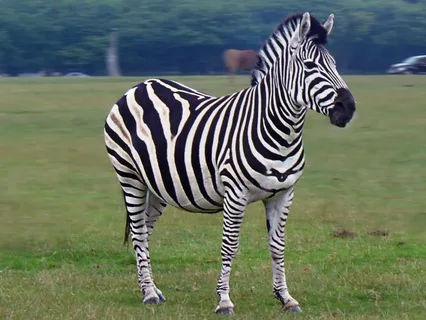
The Zebra is among the most well-known animals to reside to the African plains. They are distinguished by their striking white and black stripes.If you’re looking for female zebras, there’s a lot more to know about her beautiful coat. If you’re here on this site due to interest, looking for an amusing name that female zebras could use or seeking to find out more about the behaviors of zebras and their motives that they have, this guide will give you the details that you require. From how she takes care of her baby to her role as a part of the group, this guide will explain every aspect of the wild-loving animal. Are you looking forward to meet the Zebra mare that is different from the rest of the mares? Let’s be sure to be a striped horse!
What Is a Female Zebra Called
Zebras that are females are referred by the name of mares. They are which is similar to horses. Their male counterpart is referred to by the name of a Stallion. The baby Zebra is referred to as foal. foal. The term originates from the family of horses that is commonly called Equidae due to the fact that Zebras have a close connection with donkeys and horses.
Although male zebras tend to lead in defending their fellow zebras in groups Females have a major role to play in the during the sport. They form strong connections with females, and are frequently seen in groups, particularly when they’re raising kids. In actuality the reality, the Zebra mare that is renowned for her devotion to her family members. They are with their baby and is clear of dangers like predators.
If you’re trying discern between male Zebras and zebra females. The differences aren’t immediately evident. Males are typically smaller and have more muscular mass, however the way they behave and their herding habits that help distinguish them.
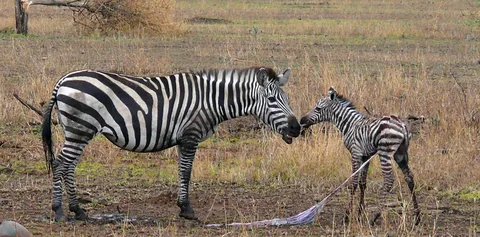
Understanding the basics of mare’s foal horse mare and horse is an excellent starting step to understand the nature of zebra herds and their structure of group. After you’ve understood the female zebra’s characteristics and what their names are to be then let’s look at the causes which make her unique when out and around.
It’s great It’s the third paragraph written in a simple, straightforward style, using the keywords which are naturally included in the paragraph.
Physical Characteristics of Zebras
On first look it’s difficult to tell between a female and a zebra which is a male. Both sport striking black and white stripes that form the basis for the zebra’s fame. There are however, some subtle distinctions in their physical characteristics.
Female zebras, also known as mares. They are generally smaller and less slender in comparison to Stallions. They tend to be more delicate, and also have facial features appear more sophisticated and slimmer necks. This is why they are ideal to care for infants, and they are swift in the event of risk.
A fascinating aspect is the fact that the stripe pattern is distinct to each Zebra like human fingerprints. Although there is no evidence that supports the existence of a distinct stripe pattern which is different between females and males Some researchers believe that subtle differences could be evident dependent on the zebra species like Plains Grevy’s, Mountain Zebras, etc.
Zebras are a herd and it is normal for females to travel with other mares and young children. They make use of all their senses especially seeing and hearing to protect their children from predators.
When you’re in a position know the traits of female zebras and their characteristics, you’ll know what you’re likely to encounter out in nature. You might even be able to come up with the ideal title for Zebra to reflect her gorgeous look!
We’re happy that you’ve found this to be enjoyable 4th section which is smooth with a smooth natural sound. It also includes certain crucial phrases:
Behavioral Traits Unique to Female Zebras
Female zebras, also called mares, play a vital function to play in groups. Contrary to larger stallions, which tend to be more dominant zebras female are focused on forming solid bonds within their groups. They usually belong to families that have close connections and comprise of numerous mares as well as their offspring.
One of the most intriguing characteristic that zebras female have is their co-operation. It’s a method of grooming their zobra friends to build trust and maintain contact. Social grooming can reduce stress and keep the group in good health. Female zebras are accountable in teaching their children to find the sources of food and how to spot risks in the natural.
About the horses in herds that guide in herd movement, particularly in the search for sources of water and areas to feed. Their understanding of the surroundings around them is vital to the health of all members in the group.
To guard themselves, Zebras female are extremely protective mothers. They yell loudly and employ body language to warn herd members to stay away from predators, like leopards and hyenas are near to. The bond between mother and the baby can be strong as well as secure, which means that the children to come is safe within the same surroundings.
Motherhood & Reproduction
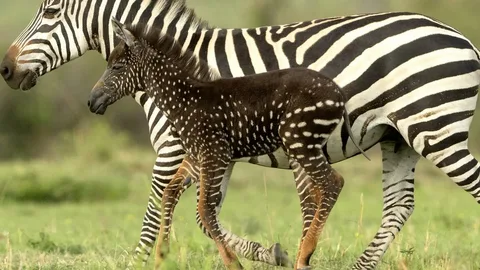
Motherhood is one of the most important roles played by female Zebra. After mating with a herdsman mare has to undergo an gestation period that could be between 13 and 12 months prior to having a child. The long gestation time helps to make sure that the infant is healthy and fit enough to survive within the African plains.
If the baby is born within a few hours after birth Zebras exhibit strong maternal characteristics. She is extremely close with her baby to shield her baby from predators, and to show how to survive, such as how to locate water and the best areas to go hunting. The bond created between mother and child is strong and could be maintained for a lengthy period.
Zebras’ females are the most likely to have babies during winter when the food supply is plentiful. So, babies are likely to be happy and healthy. Females who belong to herds of zebras may be able to help their babies by creating an equivalent to “zebra daycare. “
It is the process that produces reproduction is crucial to the survival of the species as zebras female play an important role in sustaining the strength for their family. Knowing the mating patterns among Zebras, and the maternal support they provide may provide an interesting insight into the structures of society that are created by Zebras, as well as how they interact with their natural environment.
Diet and Foraging Behavior
Zebras female are just like all animals, are herbivores. Their diet is composed of grasses. However their behaviour and habits could differ depending on the season and the quantity of available food. Female Zebras hunt in groups and can protect themselves from predators.
Mares love eating green grasses and young. They supply the nutrition they require, particularly when pregnant or caring for babies. When the weather is dry or other times when grass isn’t plentiful, it’s possible to rely on dry, tougher plants and devour branches and leaves.
Because zebras need a regular water supplies, zebras which come from females tend be in close proximity to sources of water while trying to locate food sources. They often lead herds towards their preferred water sources and this demonstrates how important their awareness of the surrounding is crucial to their survival.
female Zebras play a significant role in educating younger animals in the group about the best foods to consume and also how to determine the best places to feed. This is vital to make sure that your herd is healthy and strong in the natural environment.
Understanding of the behavior of female zebras who eat may help us to understand the underlying causes of their existence on the African plains, as well as what they do to help the ecology.
Habitat and Adaptations
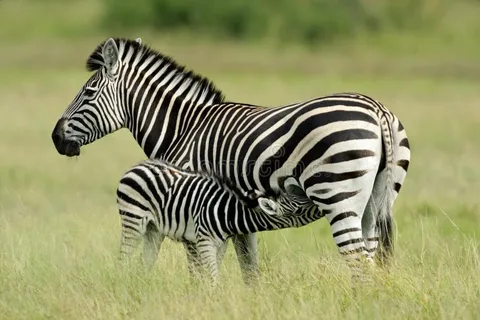
Zebras female live within grasslands, savannas, and savannas and also in open woodlands throughout Africa. Their natural habitat provides ample grass for grazing, and abundant supply of water to keep them properly hydrated. Zebra is a species that is different from other species which includes that of Plains Gravy Mountains and many others that are adept at adapting to different habitats. However, all female zebras have the same characteristics for survival.
Zebras females have strong legs that enable them to accelerate their speed to as high as forty miles per hour to stay clear of risk. Their sharp vision and hearing keep alert to dangers in the area.
A group’s structure may help female zebras safeguard their children and find water and food faster. They frequently rely on their memory for drinking holes and secure areas to graze, which is vital during dry season.
Conservation and Interesting Facts
Zebra females like all zebras face issues in the wild because of the destruction of habitats and the hunt. While some species, such as Plains Zebras are doing fine while others, such as Grevy’s Zebra, are believed to be threatened. Protecting their habitats is crucial to ensure female zebras as their herds flourish.
The most interesting features of Zebras female are their close social interactions. They are likely to stay with the same mares and foals for long periods of time, and they are the most closely knit family units. They are able to protect children from danger and increase the chance of their ability to endure the whole herd.
Another interesting aspect is the manner female Zebras talk. They use body language and facial expressions to warn others about the dangers in their environment or to express their emotions towards.
.
Are you able to discern between females and males
Male Zebras are generally bigger and stronger. The most effective way to determine this is by observing their behavior along with the roles that they play in their families. Stallions typically guard the herd. Mares are the ones who tend to take care of foals.
Do female zebras stay in herds
Female Zebras are part of groups which have close relationships with mares and their children. Family groups like these safeguard young foals from prey. They also work together on hunting hunts for water and food.
What do female Zerbras eat
- Zerbras of females usually consume grasses. They consume leaves and branches in dry seasons. They are often found near water sources because they must drink water regularly.
Why female zebras sport stripes
Stripes of white and black on their clothes allow them to blend into grasslands, and also frighten predators, especially when they’re in groups.
Add Information: Click Here