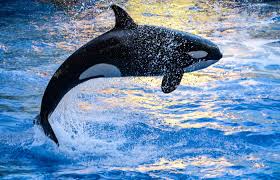
Whale Name: Exploring the Majesty of Marine Mammals
Whales have always fascinated the world because of their immense size beautiful, intelligence, and beauty. The magnificent marine mammals are revered throughout the world and appear in literature, myths and even in modern conservation initiatives. One intriguing way to connect to these animals is through names. named whales. No matter if they’re named in accordance with scientific classification or mythological references, as well as connections to culture Each name is a tale about the whale’s species or the person named.
Why Whale Name Matter
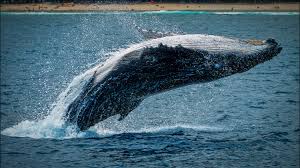
The significance in the significance of whale name names can’t be overemphasized. They perform a number of important functions such as identification for scientific purposes and conservation efforts as well as developing a deeper emotional connection to these magnificent creatures.
- Scientific Classification: Every species of whale has a scientific name usually drawn in Latin or Greek and provides insight into the characteristics of the species or their roots. For example the blue whale’s scientific designation, Balaenopter musculus is a reference to its size and its musculature.
- individual recognition Individual Recognition: A lot of whales are named to aid in research that make the process easier to follow and study their behave in the course of time. The names are usually iconic for a reason, like “Salt,” a famous whale named for her distinctive tail marks.
Enhancing Scientific Research
Names for whales that are scientific add an organized method to identify whales, which facilitates greater communication among researchers across the globe. For instance the sperm whale’s scientific title, Physeter macrocephalus suggests its distinct big head and organ of spermaceti. This system of naming eliminates ambiguity which ensures the accuracy of gathering and analysis of data.
Aiding Conservation Efforts
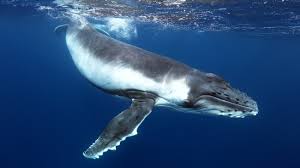
Naming individual whales can make it easier for conservation groups to monitor and track their progress. Named whales often get interest and attention from the general public, leading to greater the support for its protection. For example the whale called the humpback “Salt” has become a symbol of conservation of marine life within New England. Naming can also facilitate sharing of information regarding the individual whales’ behavior as well as migration patterns and threats.
Cultural and Emotional Connection
The names of whales usually invoke feelings of reverence and wonder. In mythology they are linked to life, creation, and wisdom. In Polynesian myths whales are believed to be guides and protectors of sea travellers. These mythologies transcend the realm of science, and resonate deeply with people who depend on the ocean for survival as well as the expression of their culture.
Types of Whale Name
1. Scientific Names
Scientific classification is the basis for understanding whales. These names are based upon an established binomial nomenclature which includes species and genus. Examples include:
Humpback Whale ( Megaptera novaeangliae) The word “humpback whale” is a translation of “big-winged New Englander,” in reference to its pectoral fins as well as frequent sightings near the shores of New England.
Narwhal ( Monodon monoceros) Meaning “one-tooth, one-horn,” refers to the tusk that resembles a unicorn the species.
Bowhead Whale ( Balaena mysticetus) Named after its jaw-like bow.
Names for scientific research assure that species are recognized and studied in a consistent manner across research communities around the world.
2. Individual Names
Individual whale names are typically chosen based on distinctive characteristics or tales. The names of whales are humanizing creating deeper connections to humans. Notable examples include:
Scarback Blue whales with visible marks, possibly caused by a collision with a ship.
Echo Humpback Whales: Humpback whales are known for its unique songs.
Tipper is a name that refers to a distinctive dorsal fin shape that is able to tip one way.
Public Engagement
Organisations such as organizations like the Whale and Dolphin Conservation (WDC) make use of name campaigns to draw public focus on specific whale species. They often ask people to suggest names, encouraging the feeling of being involved in conservation of marine resources. Naming contests, like ones for whales that have been discovered will encourage public participation and raise awareness about environmental issues.
Symbolism in Naming
Whale names may highlight urgent problems. For example:
- Netty: Name that symbolizes the risks that fishing nets pose.
- Drift: illustrating the suffering of whales affected by debris from the ocean.
- Hope: The name Expect was selected to encourage optimism in the conservation of marine resources.
How Whales Receive Their Names
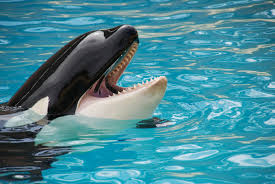
Naming a whale takes creativity and cultural sensitivity as well as the ability to recognize its distinctive characteristics. Some of the factors that affect whale names include:
Physical qualities
Unique characteristics like scars, skin patterns, or shapes of fins often give rise to names. Examples include:
- Spot: A whale with skin that is spotted.
- Ripple: For one that displays waves within its own body.
Behavioral Traits
Whales that are known for their specific behavior can be given descriptive names for example:
- Leaper: A whale that regularly is caught in breach.
- Whistler: is a well-known artist who has created distinctive vocalizations.
Regional Influence
Local geography and culture often provide whale names, as shown in:
- Arctic Aurora: A bowhead whale named for Northern Lights.
- Pacific Song Pacific Song: A song of the humpback whale that is known for its song throughout the Pacific.
Notable Whale Names in History
Famous Individual Whales
Moby Dick A literary icon showcasing the wild power of nature.
Keiko The orca that was the main character on screen in Free Willy and became a symbol for conservation.
Migaloo A rare albino whale that is often seen close to Australia.
Cultural Legends
- Rahab is a sea monster from Biblical stories that symbolizes chaos.
- Sedna: A Inuit goddess whose name is linked to the marine world.
- Bakunawa is a mythical sea serpent from Filipino popular culture .
Categories of Whale Name
The names for whales can be broadly classified into various categories, each of which has specific functions. Let’s examine these categories more deeply.
1. Scientific Whale Name
Scientific names are crucial for classification, and they are built on the binomial nomenclature, which was introduced in the work of Carl Linnaeus. The names usually consist of the genus and the species designation. Some examples include:
These names are universally accepted and warrant uniformity across different languages and even regions.
2. Individual Whale Names
Individual whales typically get whale names based on their distinctive traits, behave or the areas they reside in. The names are frequently utilized in research and conservation circles. Examples include:
Salt Salt: One of the most well-known whales in the world, named for the white coloring on its dorsal fin.
Scarback Blue whale that is recognized by the size of the cut on the rear. most likely caused by a ship collision.
These names are personalize for whales which helps researchers and people to form emotional connections to them.
3. Mythological and Cultural Whale Names
Whales are often featured in global myths and myths. They are frequently identified to represent their roles in these stories:
Moby Dick: The famous white sperm whale names that appears in Herman Melville’s novel represents nature’s power,
Monstro Monstro: The huge whale in Pinocchio is a symbol of the mystery and fear.
Tanakia :The meaning of the word “Tanakia” is in Maori mythology this is the name given to the giant whale believed to guide travelers across the oceans.
These names help to define the whale names cultural identity which makes them iconic symbol of wisdom, strength and mystery.
4. Nicknames and Pop Culture Whale Names
In popular media, whales are frequently called playful or even meaningful. A few of those that are popular are:
- Willy: From Free Willy: A symbol of freedom and the bond that exists between whales and humans.
- Keiko Keiko: The orca that was the character Willy on the screen also a conservation icon in real life.
- Echo: The HTML0 Echo is a virtual depiction of a humpback whale in educational games as well as VR experiences.
The names of these animals often motivate people to find out more about whales and help conservation efforts.
Whale Names and Conservation
A very effective ways to encourage conservation efforts is to name the whales that are named. When a whale is identified with been identified, it is easier for people to associate to it emotionally, which leads to greater support for efforts designed to protect whales as well as their habitats.
Naming Programs
Organisations such as those of Whale and Dolphin Conservation (WDC) as well as local marine research groups frequently organize contests to name whales. The contests engage communities in conservation efforts, allowing them to propose names for the whales they have just identified.
- Adopt-a Whale Programs: Many organizations permit people the opportunity to become adopters of a whale by giving it a name. These programs support the research process and efforts to conserve, while making a connection between whales and donors they adopt.
Promoting Awareness Through Whale Names
Whale names may highlight particular risks faced by these animals like ship collisions, entanglement with fishing gear, or loss of habitat. For instance one whale named “Netty” might draw attention to the risks of fishing nets, whereas one called “Expect” could inspire optimism in the direction of a better future.
The Art of Choosing Whale Names
Naming whales is both a science as well as an art. It requires careful examination of the whale’s distinctive features, behaviour as well as the culture that it’s in. Below are a few aspects which influence the choice of names for whales:
Physical attributes
Many names for whales are inspired by distinct physical characteristics, for instance, fin shapes, scars, or colors. For example:
- Patch: A whale with unique patches that look like patches over its face.
- Blade: A whale that has the most sharp dorsal fin.
Behavioral Traits
Whales are frequently named after their unique behavior. Examples include:
- Jumper: A whale renowned for its frequent breaches.
- Spinner: A whale-like dolphin that spins frequently while leaping out of the water.
Cultural and Regional Influences
The names of whales are a reflection of the region or culture in which they can be found. For instance:
- Makah Makah: A whale names that comes by the Makah tribe, famous for their ties to gray whales.
- Aurora: The name refers to a whale named for the northern lights, which are often seen in Arctic regions.
Famous Whale Names Throughout History
A variety of whales have gained fame through the use of literature conservation efforts, books or even public interest. Here are a few notable examples:
Moby Dick
Perhaps the most well-known among all Whale names, Moby Dick represents the unstoppable nature of. The fictional whale has inspired many modifications and remains an icon of human fight against the unknown.
Keiko
Keiko who is the main character from Free Willy, is a real-life illustration of a whale whose tale touched thousands of hearts. The journey of his captivity from freedom highlighted the dire situation of orcas in captivity.
Migaloo
whale names is distinctive look and mysterious nature of albino whales have created a worldwide sensation.
Humphrey
Humphrey, the humpback whale, became famous for swimming away from the Sacramento River in California. The rescue of Humphrey and his return to ocean attracted the attention of the world.
Fun Whale Names for Kids and Educators
Names for whales can be an enjoyable way to entertain youngsters and educate them how to recognize marine species. Here are a few fun names commonly used in classroom environments:
Flippy is perfect for a breaching or playful whale.
Whaley McWhaleface The name is a playful nod to the fascination of the public with whale name competitions.
Bubbles Ideal for whales that are famous for its feeding techniques together bubble-nets.
In This Article Add Information: Click In