Name Cheetah: The Fascinating World of the Fastest Land Animal
Introduction
Their speed, as well as their slim bodies and firm muscles, make them among the most fascinating species around the globe. Although they are often seen on TV and the efforts they undertake to protect them, there is no doubt that Cheetahs face numerous problems in the real world. This article will dive deep into the world of Cheetahs, discussing how they behave in their habitat, their biology and behavior, and the conservation efforts currently in place to safeguard the habitat they live in.
You might be thinking, “Why name a cheetah? ” This is because each name a cheetah and every human is unique. Cheetah conservationists generally “name a Cheetah” in their efforts to safeguard animals and introduce people from around the world to them in a distinctive way. By naming a cheetah, people can take an active role in protecting their species. They can also participate in worldwide efforts to protect these magnificent creatures.
This article will explore how naming cheetahs helps build a bond with the animals and increases understanding of and dedication to their conservation. Join us to learn more about cheetahs and how to recognize them as part of preservation.
1. The Cheetah: An Overview
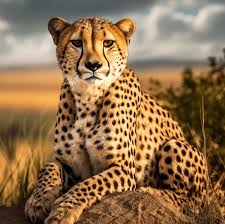
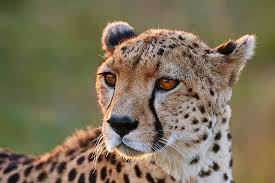
Cheetahs names belong to the Felidae family, and their scientific name is Acinonyx Jubatus. The big cats are recognized by their muscular body, distinctive dark “tear” markings running from the edge of their eyes to their mouths, and their striking golden yellow coat adorned with black markings. Name a cheetah are bred for speed and have massive legs and a robust frame. They also have a long tail that helps to maintain stability in a fast-paced run.
1.1 The Evolution of Speed
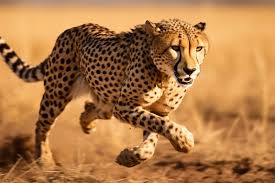
For many years, cheetahs have had the highest agility of land animals. Their anatomy is made for speed. Their massive lung and nasal passageways permit quick oxygen intake. Their flexible spine allows them to make longer strides. Their claws retract to keep their feet in a secure posture when racing. The bodies of their racers are aerodynamic and designed explicitly for rapid sprints.
One distinct characteristic of cheetahs is that they hunt during the daytime, unlike other big cats, which hunt late evening. Their daily lifestyle means they depend heavily on their eyesight, not their sense of smell, to locate and hunt for prey.
2. Name Cheetah: The Importance of Individuality
Cheetahs have much in common with humans but differ in their traits, personalities, and behaviors. Their distinctiveness is the reason why conservationists “Name a Cheetah. ” Naming a cheetah can create an identification for them, making it easier for researchers to study and track their behavior, movements, and interaction with Cheetahs and their surroundings.
In specific conservation programs for wild animals, individuals can “name a cheetah” as part of the adoption process. Naming a cheetah effectively communicates the feeling of personal involvement, which could enable people from all walks of life to participate in conservation initiatives. It is essential to raise money to protect cheetahs living in the wild, encourage research, and bring awareness to the suffering they experience.
3. Habitat and Distribution
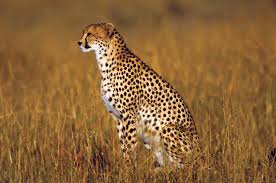
Name a cheetah are primarily found throughout Africa, and a few can also be found on the border to Iran. In the past, cheetahs were widespread across Asia and Africa but are now restricted to savannahs, which are open grasslands and large open areas.
3.1 African Range
Cheetahs reside in sub-Saharan Africa, particularly Namibia, Botswana, Kenya, and Tanzania. Namibia is often described as”the Cheetah Capital of the Earth” and is home to the most Cheetahs worldwide. These areas serve as ideal environments for Cheetahs.
3.2 The Asiatic Cheetah
Acinonyx Jubatus Venaticus is in danger of becoming extinct, with less than 50 left out in the open, especially on the outskirts of Iran. Preservation efforts are underway to safeguard this subspecies, but it faces serious problems because of habitat loss, conflicts with humans, and the loss of prey.
4. Cheetah Behavior and Social Structure
Name a cheetah are alone animals of the wild. However, the social structures of their species are influenced by gender. Females are more protected in large areas and more likely to search for predators. Males tend to form alliances, mostly with male companions and brothers. Cheetahs. These alliances could help males defend their territory and increase the chance of mating.
4.1 Hunting Techniques
Name a cheetah is carnivores. Their diet consists primarily of ungulates, which are medium or small in size—similar to impalas or gazelles. Their approach to hunting is based on speed. They look at their prey with keen eyes, endeavor to get close to them, and then follow them at a fast pace to shake an animal out of balance.
But cheetahs are not the most potent large cats. Although incredibly swift, they do not possess the strength inherent to leopards, lions, and leopards. Ultimately, they are often victims of prey species that aren’t hunter-gatherers like Hyenas. This is why Cheetahs must consume their food fast when they’ve had an excellent outcome.
5. The Challenges Facing Cheetah Names
Human-wildlife conflict, habitat destruction, or the declining prey population are the main reasons for the decrease.
5.1 Habitat Loss
The biggest threat to name a cheetah survival lies in destroying their natural habitat. As with the increase in the number of humans and threatening habitats for wildlife, name a cheetah are kept in smaller, less dense areas. This leads to a shortage of prey, more encounters with other humans, and a greater chance of breeding, which can reduce the diversity of genes.
5.2 Human-Wildlife Conflict
Name a Cheetah are seen fighting humans, particularly in areas where livestock farming is prevalent. Farmers may kill name a cheetah to compensate for the loss of livestock, but cheetahs are usually wild animals on which they prey. Population participation and education on conservation can help reduce conflict; however, it’s an ongoing battle.
5.3 Declining Prey Populations
Suppose the habitats of predators cheetahs depend on decrease. Cheetah names would be at risk of being unable to survive. Efforts to protect cheetahs and their prey are essential for this species’ long-term existence.
6. Preservation
Many conservation initiatives are taking place to safeguard Cheetahs, like programs that let people “name the Cheetah they want to name.”
6.1 Cheetah Conservation Fund (CCF)
The CCF is among the most renowned organizations dedicated to preserving wild Cheetah’s names. The CCF’s efforts focus on research, educational outreach, and education for the general public. One of their programs gives users the “name a cheetah,” making a personal connection between those who contribute money to the animals they help to keep.
CCF constantly contacts the local population and educates farmers on protecting their livestock and not hurting Cheetahs. They also train and develop Anatolian shepherd dogs to guard livestock and repel predators, drastically reducing the human-cheetah battle.
6.2 Reintroduction Programs
In areas where the number of cheetahs has decreased, Reintroduction programs are being planned to reintroduce their population. These programs involve taking Cheetahs from areas with stable populations and spreading them out to places where they are extinct. This helps increase genetic diversity and the population of regions where cheetahs must be present to ensure the balance of nature.
7. Why You Should Name Cheetah
You are naming a cheetah as a Cheetah more than a mere symbol. It’s an opportunity to help in the fight to preserve a highly magnificent species of animals that live on the planet. Suppose you choose to allow the animal you want to name one. In that case, you’re helping the efforts of conservationists and scientists who strive to ensure the protection of cheetahs within their natural habitats.
Furthermore, when you decide you want your pet to have a name, you could become a champion for protecting wild animals. You can help spread awareness of the necessity of protecting not just Cheetahs but also the whole ecosystem that they reside in.
7.1 Building a Personal Connection
Naming the Cheetah can connect with the animal, making conservation more personal. If people feel connected to one particular Cheetah, they will likely remain active in conservation initiatives. They also help spread awareness of the importance of conserving wildlife.
7.2 How Naming a Cheetah Helps
The money raised through initiatives to help people realize that the Cheetah are devoted to preservation. These funds help in efforts to stop poaching, research, rehabilitation of habitats, and training for populations. Contributing to these initiatives to earn money will not only help to make an image for this animal, but you’re also helping to ensure the future of Cheetahs.
8.1 Breeding Programs
Programs for breeding in captivity have been designed to increase the population of name a cheetah and ensure they have genetic diversity unique to their species. The programs are controlled carefully to stop breeding and create healthy offspring with genetically diverse offspring. Occasionally, breeding cheetahs can roam the streets to improve the decreasing population.
Further More About Us: Click Here