
Introduction
The sight of puke of a bear, also referred to in the form of “bear Poop scat”, droppings and faces on trails may seem unpleasant, however, it’s a useful indication. It will tell you whether an animal was at the location, eating, or had recently gone. Knowing the smell of poopy bears in the wilderness will help you to stay safe in the event of out camping or exploring the bear-friendly areas.
Everything from size and shape to its colors and the contents the waste of bears can provide a wealth of information. The following guide can assist you in learning how to recognize, comprehend and react to the signs for actions of the bear in a way that’s assured and has a sense of.
What Is Bear Poop
Bear Poop often referred to in the form of bear’s scat is the solid waste that bears dump behind. Similar to other species that poop, bears also urinate to get rid of the waste they don’t need. But, unlike other species, the poop of bears can tell you a lot about the diet of a bear’s health and its activities. Poop usually contains evidence such as fur seeds, berries, or bones, based on the food the bear ate.
Because bears eat a variety of food throughout the year, and since they eat different meals all through the year their droppings can vary in shape, size as well as appearance. The first time you visit, in spring, might be able observe more plants and grass. In autumn and summer the bear’s feces could be full of fruits, nuts or even animal. That makes the ability to identify the poop of bears is a must for anyone spending in the wild.
It is important to remember that the bear poop of bears varies by species as well. A black bear’s waste is usually seen as a massive pile of dog poop, however those of the gryzly are bigger and could be scattered. Knowing these distinctions will make it much easier to figure out which bears are within the vicinity and when they last presented. This is an important aspect of protecting bears while walking and camping in bear-friendly areas..
What Does Bear Poop Look Like
Bear Poop differs in appearance but when you know what to be looking for, it’s easy to identify. Most of the time, the droppings of bears are large and thick and tubular. They’re like dog poop, but larger. The size of bear poop vary from a few inches to a foot, based on the size of the bear and its the diet.
The consistency and colour of bear’s poop change according to the season. When it’s early spring, the urine may be green and grassy. When bears consume a huge quantity of berries and fruits in the summer, the scat can appear sluggish with dark spots and many seeds. In autumn when bears eat nuts, acorns, or even meat, the poop becomes more dense and darker. There are instances that you’ll notice hair, insect pieces or bone fragments inside–signs that it’s a high protein meal.
Bear Poop photos could be helpful for new people to spot bear urine in the wild. There is also the possibility of smelling the scent of poop depending on the freshness it. Being aware of the appearance of poopy bears will aid in identifying indications of bears, and also to be mindful of the proper precautions, particularly when camping or walking near the habitat of bears.
Bear Poop by Species
Many kinds of animal poop are similar. Different types of bears make the poop that has distinct features. Understanding the various kinds of poop will help you identify which kind of bear was within the vicinity.
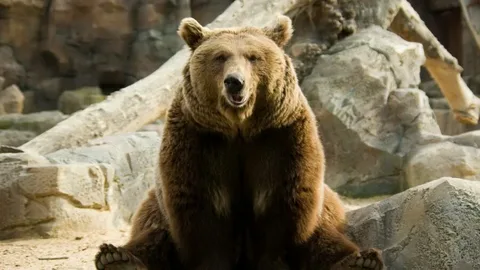
Black Bear Scat is generally cylindrical, about 2 inches in size, and usually smells like a dog’s. The colour of the scat can change between black and dark brown according to bears’ food habits and diet. Black bear faeces usually include fruits, seeds, and other plants, particularly in autumn and summer.
The grizzly bear’s scat is significantly larger, may be at least 6 inches, and could appear broken or dispersed. Since grizzlies eat many different foods and poop from grizzly bears can include bones, meat, and fish as well as plants. The texture of the poop of grizzly bears are generally much more solid than the black bear’s. Additionally, the smell is stronger.
Polar Bear Scat. Although it is harder to find, it is larger than the grizzly or black bear scats. The Polar Bear faeces tend to be more shaded due to their meat-based diet. The scat samples typically include the remains of seals and other marine mammals.
Knowing these subtle distinctions can help you remain safe and aware of the behaviour of bears when walking or going camping.
Seasonal Changes in Bear Poop
Bear Poop changes all through the year, indicating changes in the diet of the bear and its activities. Knowing the seasonal changes can help determine the time the bear was present in the area and the food it consumed.
Spring is the season of spring. It is when bears emerge from hibernation to eat. Their diet consists of grasses, leaves and the first plants. Bear faeces during this time are generally soft and green. You can also find some insects in the scat, as bears start to hunt for protein sources.
The summer months are when berries, fruit and nuts are beginning to get ripe, and bears feast on these energy-rich food items. The sludge of bears gets drier and darker and is usually filled with seeds, insects and berries. The summer scat tends to be huge, suggesting that the bear is building up fat reserves for winter.
Autumn in the fall, the poop of bears gets packed with a range of food items that include the acorns, acorns as well as tiny animals. The bear faeces are solid and dark in colour, often comprising fur or bone fragments. Bears consume this food when they are the most hungry and getting ready for their winter hibernation.
If you can notice the seasonal changes in the in the poop of bears and their poop You will be able to be able to understand the behavior of bears and their diet, which is crucial for staying safe while taking hikes or camping in bear-friendly areas..
How to Tell if Bear Poop is Fresh
Being aware of whether the bear’s poop is clean is vital for staying safe in the bear-friendly zones. Fresh scavenging may indicate there is a bear in the area but an older poop could mean it’s safer to explore. Here’s how to recognize the difference:
Colour and texture Fresh berries are typically moist and soft, particularly when eaten with thornless fruit or berries. As time passes, the pee starts drying out, becoming more transparent and difficult to manage. When a bear’s pee appears shiny or moist, it’s fresh.
Temperature. The best method to determine if the bear’s faeces are clean is to test the temperature. If it’s warm or hot, the faeces were probably faecesnweret within the last few hours. As it cools, the temperature and firmness will drop.
Smell Poop: Fresh bear poop usually has a strong, musky smell. The smell diminishes in intensity as the poop becomes more seasoned. If you detect an unpleasant urine smell, this indicates that a bear was recently in the area.
When you listen attentively to these signs and observe these clues, you can discern your surroundings and avoid encountering an animal. If you notice fresh poop from the bear, it’s a good suggestion to make an loud noise to notify bears to your presence so that you do not get caught in the middle of nowhere.
How can you tell Bear Poop and others
Animals
It is essential to be able to distinguish the poop of bears that comes from other animals. If you don’t recognize the droppings correctly, it can lead to confusion and possibly even risky scenarios. Here’s how to tell the bear’s faeces from other species:
Dog Poop At first glance the bear’s droppings may appear somewhat like dog poop, but bear scat is generally larger. Black bear scat, for instance, can increase to up to 4 inches in size, while the dog’s poop is generally more compact and uniform. In addition it is common for bear poop to contain seeds, berries or bones, which aren’t possible to find in the dog spit.
Coyote and Fox Poop
Coyote scat is generally long, thick and twisted and usually looks like it’s a sausage. The poop of bears tends to be bigger and smaller, specifically when it’s fresh made. The faeces from coyotes typically consist of feathers, fur, and bones, but the sizes of the faeces differ.
Mountain Lion Poop The Mountain Lion cat is usually is similar to bear’s poop, but it’s more rounded and contains bones and fur, as well as various animal organs. It’s less akin to the bear’s poop but it doesn’t typically include the berries’ seeds found in the feces bears.
If you discern these subtle distinctions, you’ll be more confident when recognizing bear scats and staying protected when out and about.
Tools for Identifying Wildlife Scat
The method of identifying droppings of the bear and other scats of animals is simpler when you have the appropriate instruments. No matter whether you’re a camping or hiking lover, or nature lover, the tools described below will help you be able to recognize the poop of the bear and any other animal waste.
Field guides
A reliable tracker guide for wildlife and scats could be a great resource. Most of these guides include specific images of different kinds of faeces, such as bear faeces, and descriptions of their sizes, shapes, contents, and shapes. Locate guides specific to your region for the most precise information.
Scat Identification Cards
Some businesses and non-profit organizations offer Scat ID cards. These cards that are lightweight and portable contain typical animal droppings like bear Poop for quick comparison.
Mobile Application Technology has made it easier to identify wild scats travelling. Apps such as iNaturalist and Scat and Tracks permit users to upload photos of scats and offer recommendations for identification by the location and clues to visual identification. Some apps also have experts on the website to assist you in identifying the cat.
Photography. In case you are in doubt, you must take a clear image of the excrement you observe. Recording scats’ excrement can help researchers monitor the behaviour of animals, and could be a crucial method to analyze the behaviour of wild animals.
These information are gathered from different surveys like google, PetPlace and more. Our top priority is to provide you valuable information.
For More Details About Different Pets Click Here